पत्रिकाthe journal
Notes fromthe desk.
Jyotish, Vastu and tarot, written plainly by the two readers — what a chart says, how a date is chosen, why a card answers yes or no. New notes as the desk finds time; no newsletter, no noise.
Vastu Shastra & Astrology: Align Your Home, Improve Your Life
Discover how Vastu Shastra and astrology complement each other. Align your home and workplace with the right energies to support productivity, harmony, and a better quality of life.
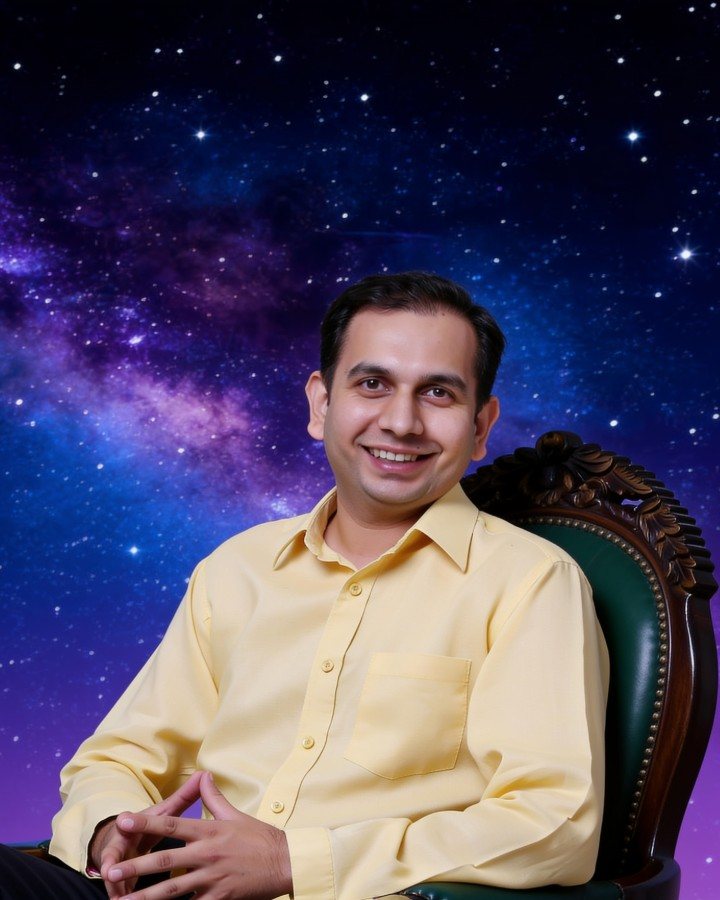 Dr. Sachin Atray
Pt. Hari Kesh Dutt Atray & Dr. Suresh Atray | Jyotish Legacy
Explore the legacy of Pt. Hari Kesh Dutt Atray and Dr. Suresh Atray in Jyotish, Ayurveda, Sanskrit education, Panchang calculations and the guru-shishya parampara.
Dr. Sachin Atray
Muhurat in Vedic Astrology: Beyond Weddings | Sachin & Rai
Discover the importance of Muhurat in Vedic astrology, the sixteen Sanskars, and the traditional significance of Garbhadhana Sanskar Muhurat.
Dr. Sachin Atray
How Vedic Astrology Helps You Find Life Direction | Sachin & Rai
Explore how Vedic astrology can help you understand yourself, reflect on career and marriage questions, and approach life’s challenges with greater clarity.
Dr. Sachin Atray
Yes or no, how a one-card tarot reading works
A card for each question, and a plain answer. Why a narrow question is more useful than a wide one, and the four cards from the Rider-Waite deck that come up most at my table.
 Lakshya Rai Aggarwal
What to bring to a first sitting
The three details that make a chart exact, the one question that makes a sitting useful, and what happens in the first hour at either desk.
Dr. Sachin Atray
Kundalī matching beyond the guna score
Thirty-six points is where matching begins, not where it ends. What the guna score measures, what it misses, and the two things we look at after it.
Dr. Sachin Atray
Choosing a muhūrta, the hour to begin
A wedding, a foundation stone, a shop’s first day. Muhūrta is the practice of starting at a good hour, and most of it is calculation rather than mystery.
Dr. Sachin Atray
बैठकa sitting
A note answers in general. A sitting answers you.
The chart with Sachin, the card with Lakshya — in Ludhiana or on video, any time zone.